Address
Purok 6, Tanza – Trece Road, Barangay De Ocampo, Trece Martires, Cavite, Philippines
Work Hours
Monday to Friday: 7AM - 7PM
Weekend: 10AM - 5PM
Address
Purok 6, Tanza – Trece Road, Barangay De Ocampo, Trece Martires, Cavite, Philippines
Work Hours
Monday to Friday: 7AM - 7PM
Weekend: 10AM - 5PM
Copyright 2015-2024. ECOPLUS. All rights reserved

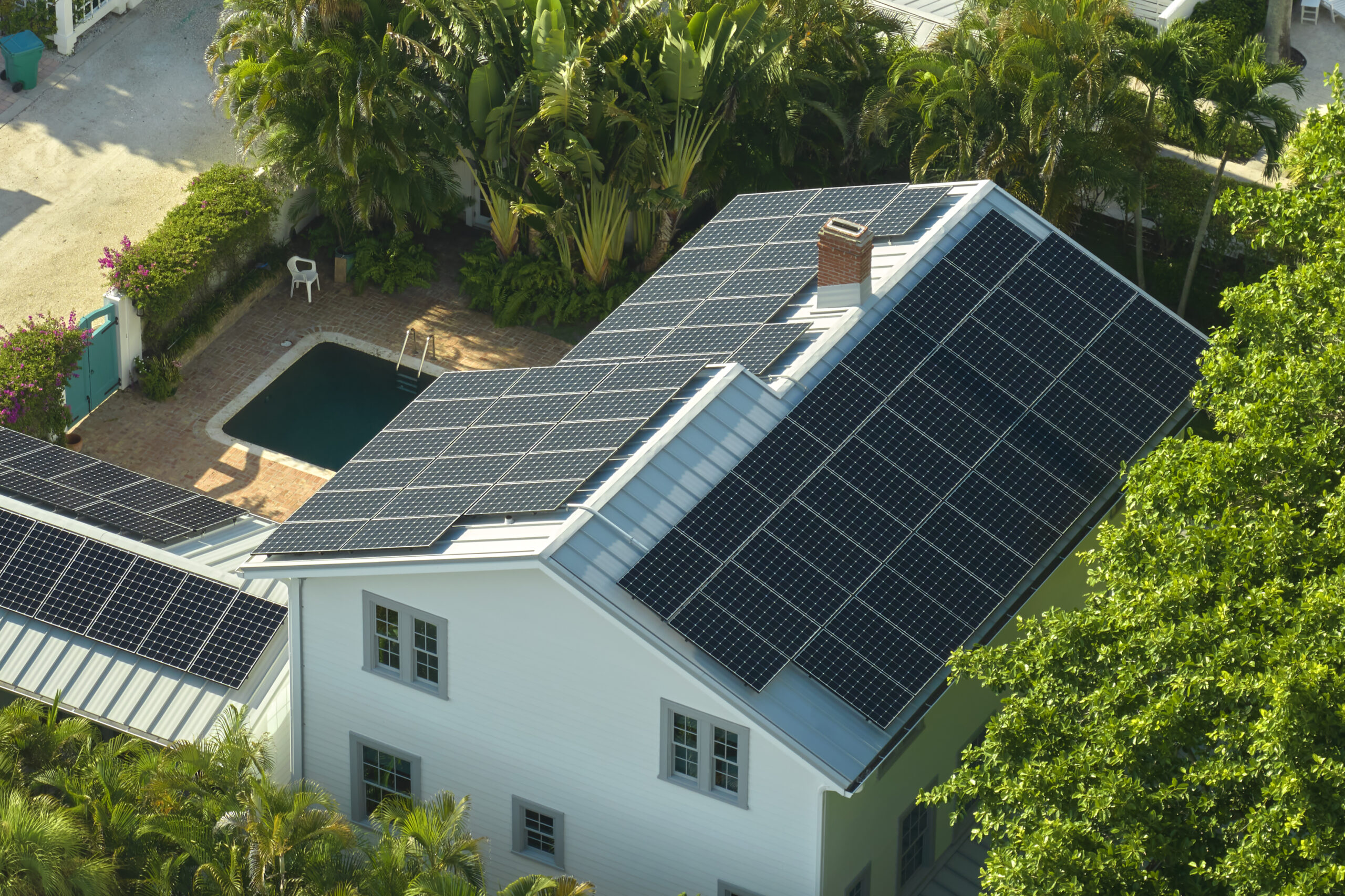
When you hear the word solar, what comes to mind? The word comes from the Latin sol, meaning sun — the ultimate source of energy for our planet. The sun powers life on Earth, helps plants grow, and now, thanks to modern solar panel technology, it can even power our homes here in the Philippines.
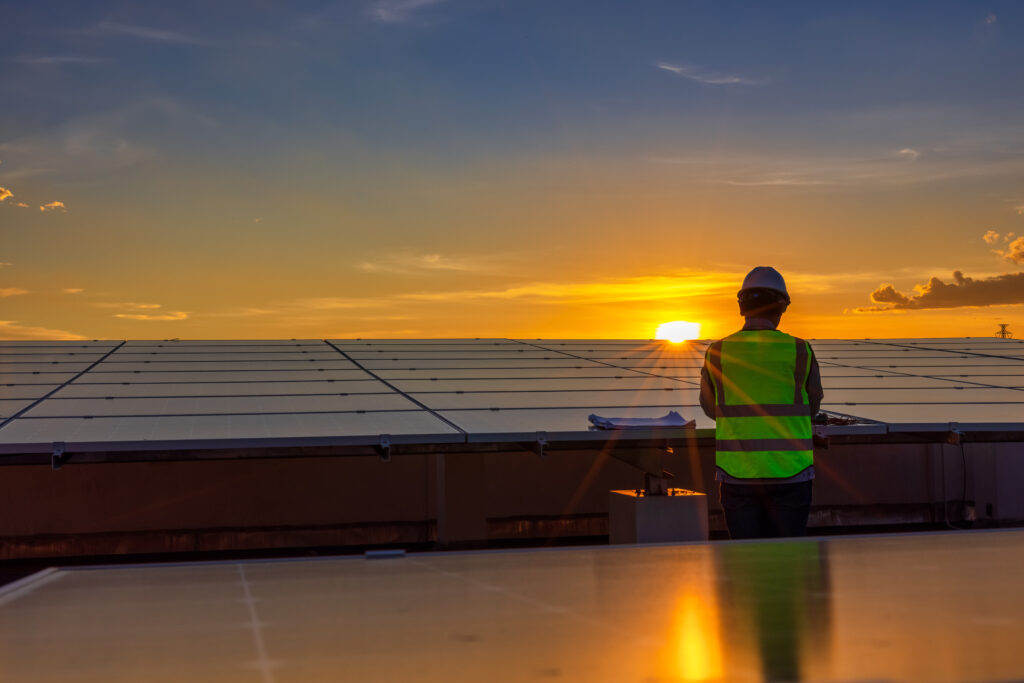
But before making the switch to solar panels, it’s important to understand how they work and what to expect once they’re part of your home. Here are five key things you should know before you go solar.
One of the biggest misconceptions about panels is that they only work under direct sunlight. While it’s true that they’re most efficient when the sun is shining bright, they don’t actually need constant sunshine to generate electricity.
Even on cloudy or rainy days, they are still hard at work. Modern solar systems are designed to absorb and convert indirect sunlight, meaning they can still produce energy when it’s overcast or during the rainy season.
Here in the Philippines, where our weather shifts between the dry and rainy seasons, this is great news for anyone considering natural energy for Filipino homes. Panels remain efficient throughout the year, so whether it’s a hot afternoon or a gloomy morning, your system continues to generate power.
Let’s face it — electricity prices in the Philippines only seem to go one way: up. Over the years, rates have risen by around 6 to 9 percent annually, particularly in areas serviced by MERALCO. These increases are driven by factors like global fuel prices and currency fluctuations, things that are completely beyond our control.
Installing solar panels in the Philippines, whether residential or commercial, may seem like a significant investment at first, but it’s one that pays off in the long run. When you generate your own electricity, you reduce your reliance on the grid and protect yourself from future price hikes. Every kilowatt-hour your panels produce is one less you have to buy from your electric provider, and those savings quickly add up.
For homeowners, this means predictable bills and long-term financial stability. For businesses, it means better control over operational costs. Solar energy isn’t just an environmental choice anymore; it’s an economic one.
Commercial and warehouse roofs are often ideal for solar systems because of their open layout and minimal shading. However, that doesn’t mean residential roofs can’t benefit from solar too. With proper assessment and smart design, nearly any roof can be optimized for natural energy production.
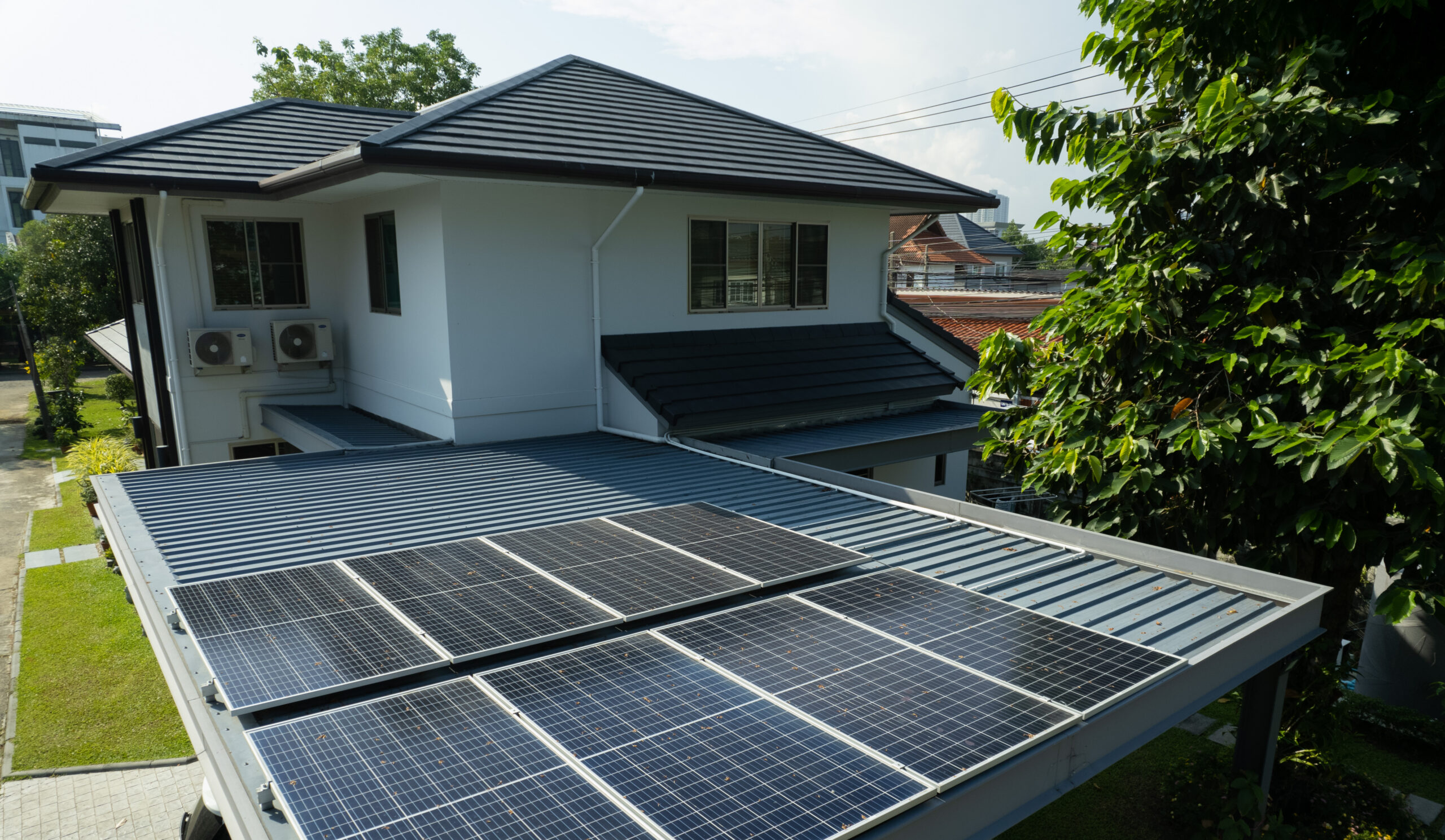
Before installation, professionals will evaluate your roof’s orientation, angle, shading, and available space. These factors determine how much sunlight your panels can collect and how efficiently your system will run. Solar panels also come in various sizes and wattages, so experts can calculate how many panels your roof can hold to meet your energy needs without overcrowding the space.
The right setup can make all the difference. Even smaller or irregularly shaped roofs can support an efficient solar array when planned by a trusted installer. The goal is to find a balance between performance, aesthetics, and long-term durability.
Solar Panel Maintenance Is Simple and Low-Cost
Another major benefit of solar panels is their long lifespan and low maintenance needs. Built without moving parts, they are engineered to operate efficiently for 25 years or more. Simple cleaning and occasional inspections are usually enough to keep your system performing well.
Partnering with a reliable solar supplier ensures your panels are installed correctly and maintained with expert care. With proper upkeep, your investment will continue powering your home and your savings for decades.
Solar Works Hand in Hand With the Grid
The electric grid is the vast network that delivers power from energy plants to homes and businesses across the country. It ensures that electricity is always available whenever we need it. When you install solar panels, your home stays connected to this grid.
During the day, they generate electricity to power your household. When you produce more energy than you consume, the excess is sent back to the grid. Through a system called net metering, you can even earn credits for the power you contribute. At night or during cloudy days, when your panels generate less energy, you can draw electricity from the grid as usual.
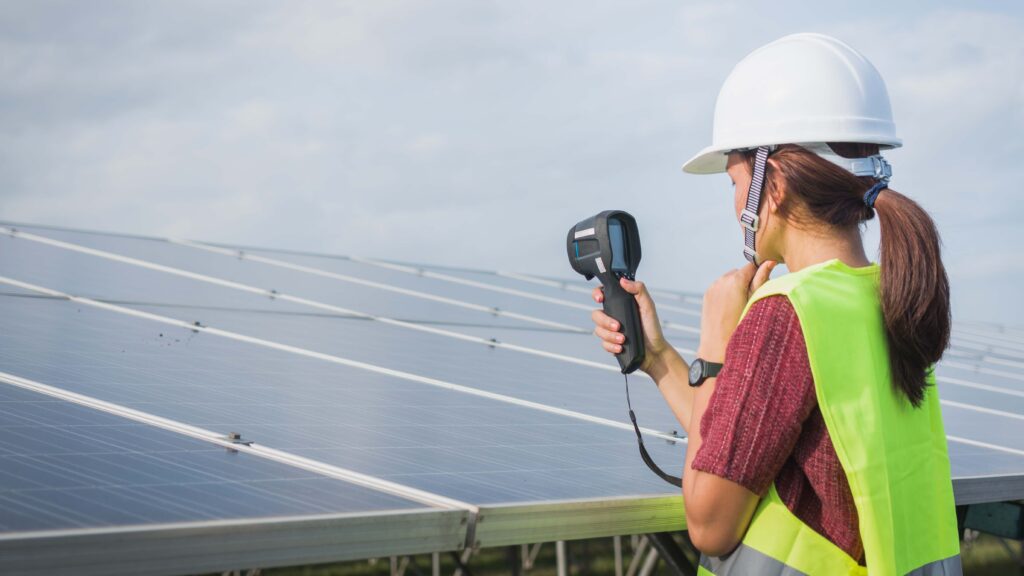
It’s a seamless, two-way relationship that helps you maximize your investment while ensuring a steady supply of power. Solar energy doesn’t replace the grid — it complements it. Together, they create a more efficient and sustainable energy ecosystem for everyone.
In Summary
Switching to solar power in the Philippines isn’t just about lowering your electricity bill. It’s about choosing a cleaner, smarter way to power your home with renewable energy. With systems that work even during rainy days, minimal maintenance, and long-term savings, solar energy is becoming one of the most practical solutions for Filipino households today.
When you understand how your roof, your panels, and the grid work together, you see that natural energy isn’t complicated — it’s empowering. And with a trusted power provider like Ecoplus Solar, you can make the switch with confidence. As a reliable solar installation company in the Philippines, Ecoplus ensures your system is designed to last for years.
Let’s change how we see natural energy. It’s not just for big companies or eco-enthusiasts. It’s for anyone who wants a home that runs smarter, cleaner, and more efficiently. Because when more of us choose to use natural energy, we move closer to a nation powered by sustainable and cost-effective energy for all.