Address
Purok 6, Tanza – Trece Road, Barangay De Ocampo, Trece Martires, Cavite, Philippines
Work Hours
Monday to Friday: 7AM - 7PM
Weekend: 10AM - 5PM
Address
Purok 6, Tanza – Trece Road, Barangay De Ocampo, Trece Martires, Cavite, Philippines
Work Hours
Monday to Friday: 7AM - 7PM
Weekend: 10AM - 5PM
Copyright 2015-2024. ECOPLUS. All rights reserved

 ByEcoPlus
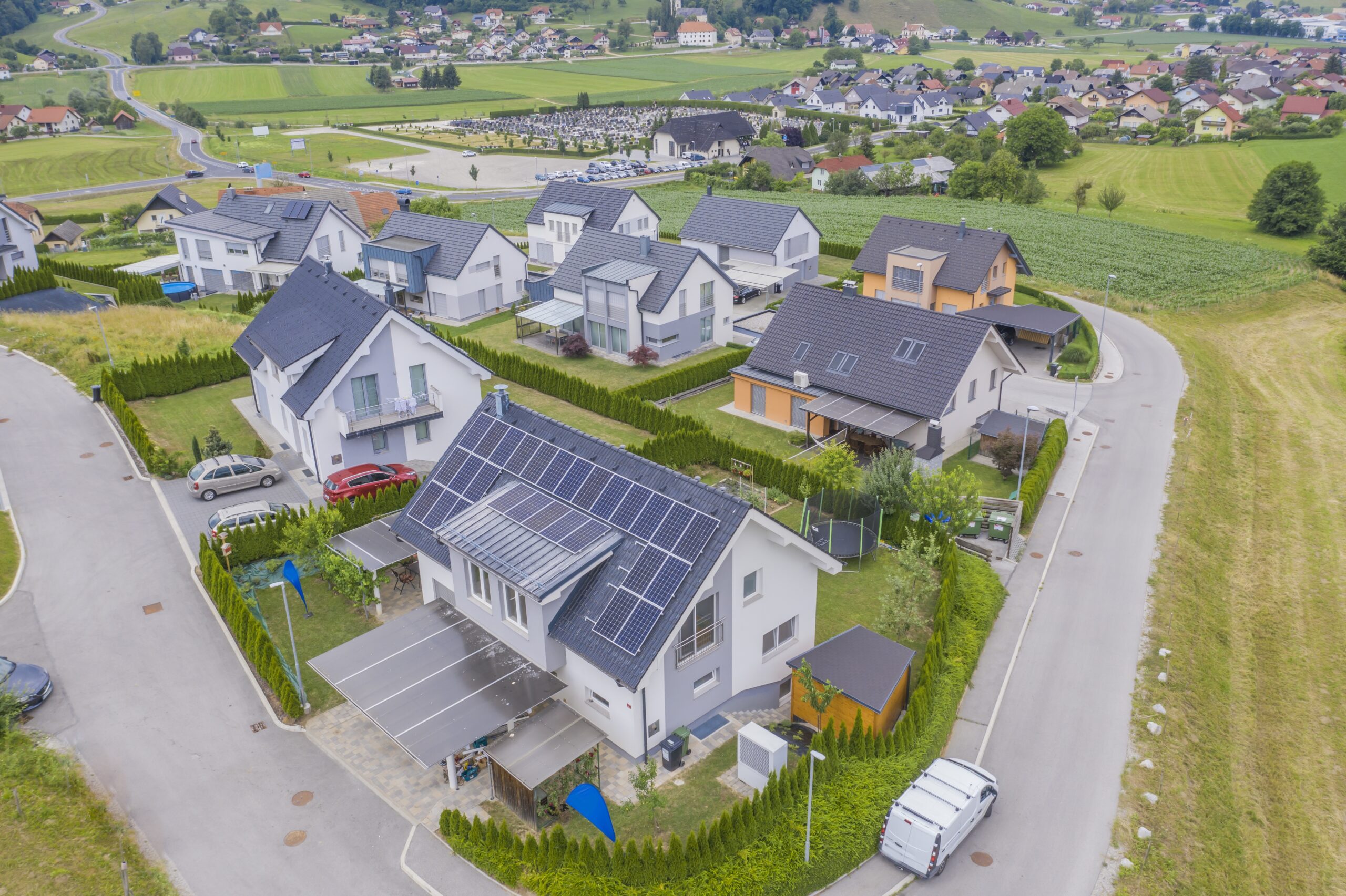
The Philippines has some of the highest electricity rates in Southeast Asia, paired with abundant year-round sunlight—making residential solar panels a practical and cost-effective solution for homeowners. Rooftop solar in the Philippines is growing steadily, with installed capacity projected to increase from approximately 4.25 GW in 2025 to 5.43 GW in 2026, and even faster growth expected through 2031 (Mordor Intelligence). This expansion is fueled by declining solar panel costs, the rise of hybrid solar-plus-storage systems, and supportive government policies, making solar panel installation in the Philippines increasingly competitive with traditional electricity.
Before installing solar panels in Manila or elsewhere in the Philippines, it’s crucial to evaluate your home’s readiness: Is your roof structurally sound and able to support panels? Do you have enough usable space for your desired system size? Is your roof orientation optimal for sunlight exposure? Are there shading issues from trees, neighboring buildings, or rooftop structures? Answering these questions first ensures your rooftop solar in the Philippines delivers maximum energy production, long-term savings, and safe, reliable performance.
A strong, well-prepared roof is critical for a safe and efficient solar panel installation. Older or damaged roofs may not be suitable for solar without repairs or reinforcement.
Check Roof Condition: Ensure your roof is structurally sound, free of rust, leaks, or sagging, and capable of supporting the weight of solar panels (15–25 kg per panel). Roofs older than 15–20 years may need repair or reinforcement.
Reinforce if Needed: Replace worn-out GI sheets, strengthen trusses, or repair concrete slabs to withstand typhoons and harsh weather.
Roof Type Matters: Different materials require specific mounting techniques:
GI Sheet (Yero): Self-sealing brackets; replace rusted sheets.
Tile Roofs: Tile hooks for safe placement.
Flat Concrete Roofs: Tilted frames; level uneven surfaces.
Note: Regardless of type, older or structurally weak roofs may not be suitable until improvements are made.
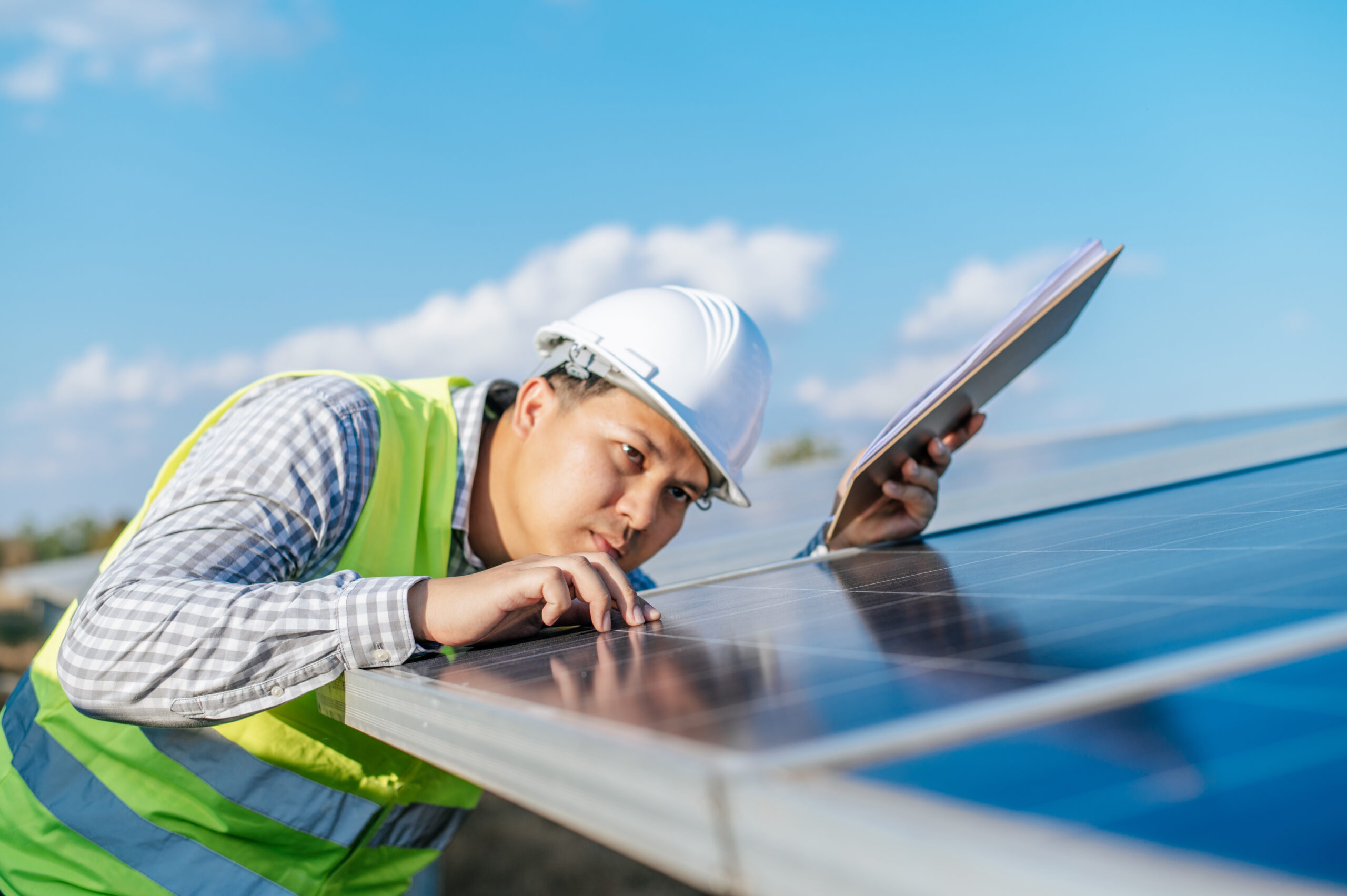
Maximizing your roof’s solar potential ensures your system produces the highest possible energy output while delivering stronger long-term savings. For example, roofs that receive consistent, unobstructed sunlight allow solar panels to operate at peak performance, while poor placement or shadowed areas can significantly reduce energy production. Even small adjustments in panel positioning can lead to noticeable improvements in output.
Measure Usable Space: Determine how many solar panels your roof can accommodate; a 5 kW system typically needs 28–32 sqm. EcoPlus can help calculate precise panel numbers and layout.
Best Orientation: South-facing roofs capture the most sunlight. East or west roofs can also perform well with proper tilt adjustments.
Minimize Shading: Ensure panels get direct sunlight from 9 AM to 4 PM. Trees, neighboring buildings, or roof obstacles can reduce output. EcoPlus can recommend microinverters or power optimizers to mitigate shading losses.
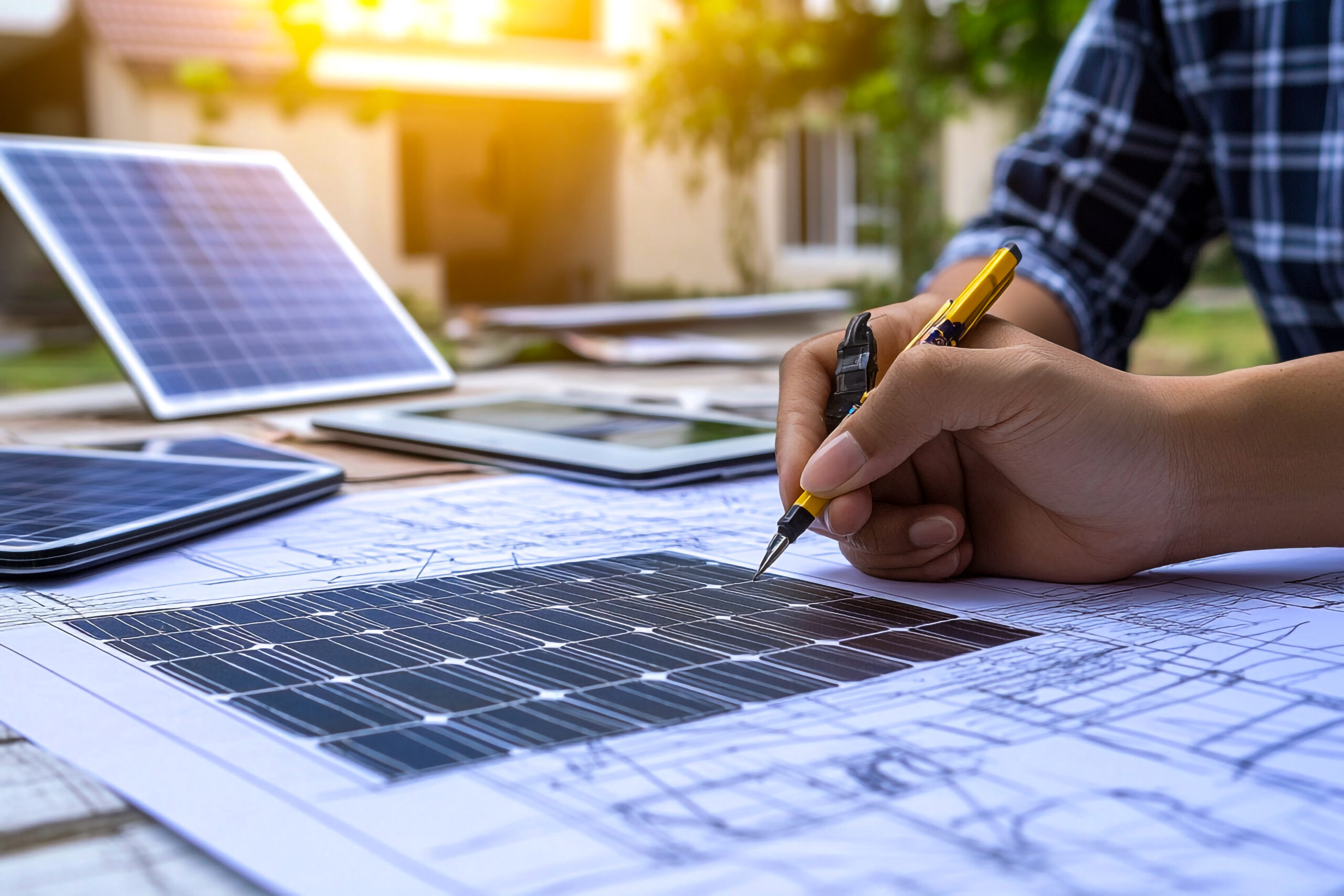
Proper planning ensures your solar panel system operates safely and at peak efficiency. A well-designed layout maximizes sunlight exposure while allowing proper airflow to prevent overheating. Thoughtful placement also makes maintenance easier and helps avoid costly repairs. Most importantly, secure installation protects your investment and supports consistent energy savings for years to come.
Panel Layout & Cabling: Plan panel placement to make the most of available roof space while avoiding obstacles like vents or water tanks. Proper cabling and inverter placement also reduce energy loss and make future maintenance easier.
Maintain Proper Ventilation: Solar panels need 3–6 inches of airflow underneath to prevent overheating, which can reduce efficiency and shorten lifespan. Spacing between panel rows also allows rain to clean the panels naturally.
Typhoon & Wind Preparation: In the Philippines, strong winds and typhoons are a reality. Ensure panels are secured with wind-rated clamps, heavy-duty rails, stainless steel bolts, and proper waterproofing to minimize damage during storms.
Pre-Installation Prep: Clear debris, trim overhanging tree branches, and ensure safe access to the roof to speed up installation and reduce risks.
After evaluating your home’s roof condition, usable space, panel orientation, and shading, it becomes clear that preparing for solar panels in the Philippines involves more than simply choosing a system. From ensuring structural integrity and reinforcing older roofs to planning panel layouts, proper ventilation, and inverter placement, each step plays a critical role in maximizing energy production, efficiency, and long-term savings. For many Filipino homeowners, these technical considerations can feel overwhelming—especially when factoring in system sizing, precise measurements, and weather conditions like typhoons and strong winds.
Before moving forward with a solar panel installation in the Philippines, make sure your home checks these essential boxes:
Structurally sound roof with no major leaks, rust, or sagging
Roof age ideally under 15–20 years, or reinforced if older
Enough usable space for your target system size
Good sun exposure with minimal shading
Proper orientation or adjustable tilt for optimal performance
Space for safe inverter placement and adequate airflow
If you’re unsure about any of these factors, this is where EcoPlus Solar, a trusted solar provider in the Philippines, comes in. EcoPlus Solar removes the guesswork by assessing your roof’s capacity, calculating how many solar panels you need, and designing a layout optimized for sunlight exposure and minimal shading. Their team also advises on roof reinforcements, ventilation, inverter placement, and typhoon-resistant mounting solutions, ensuring your system is built for long-term reliability.
Partnering with EcoPlus Solar allows homeowners to enjoy the benefits of solar panels—lower electricity bills, cleaner energy, and lasting savings—while leaving the technical planning and system optimization to experienced professionals. With EcoPlus, your transition to solar panels is smooth, secure, and confidently future-ready.