Address
Purok 6, Tanza – Trece Road, Barangay De Ocampo, Trece Martires, Cavite, Philippines
Work Hours
Monday to Friday: 7AM - 7PM
Weekend: 10AM - 5PM
Address
Purok 6, Tanza – Trece Road, Barangay De Ocampo, Trece Martires, Cavite, Philippines
Work Hours
Monday to Friday: 7AM - 7PM
Weekend: 10AM - 5PM
Copyright 2015-2024. ECOPLUS. All rights reserved
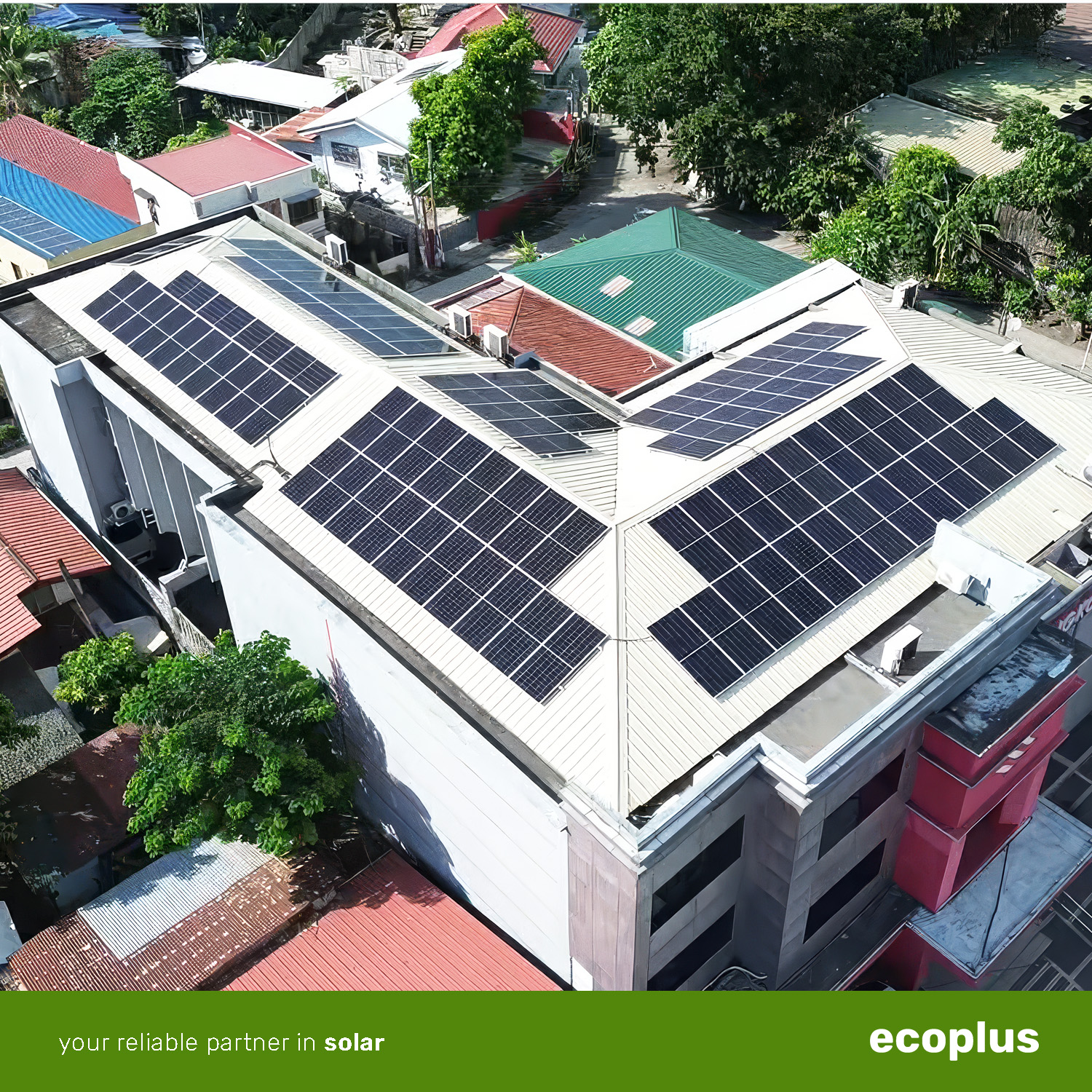
Going solar is a major investment. Learn how to verify a solar installer, check the DOE Solar PV Installer Registry, and choose a qualified company for your home or business.
Installing a solar power system in the Philippines is one of the most practical ways to reduce electricity costs and improve energy independence. But choosing the right solar installer is just as important as choosing the right solar panels and inverter.
With more companies entering the Philippine solar industry, homeowners and businesses should take the time to verify an installer’s credentials, experience, technical capability, and project track record.
One useful reference is the Department of Energy (DOE) Solar PV Installer Registry, which provides a list of solar photovoltaic installers that can serve as a reference for organizations looking for solar PV installation providers.
However, it is important to understand what being listed in the DOE registry actually means—and what it does not mean.
The Philippine Department of Energy maintains an Official DOE Solar PV Installer Registry.
According to the DOE, the registry may serve as a reference and guide, particularly for government entities assessing potential solar PV installers for their buildings and facilities. The list includes solar PV installation companies with different statuses, including Registered and Certified installers.
It is important to distinguish the term “DOE-registered” from “DOE-endorsed.”
The DOE specifically states that it does not endorse any solar PV installer listed in the registry. Companies and their services are still subject to the applicable procurement procedures and other government requirements.
For consumers, therefore, DOE registry status should be viewed as one verification point—not the only basis for selecting a solar company.
A solar power system is not simply a collection of solar panels installed on your roof.
A properly designed system involves:
Poor design or installation can reduce energy production, shorten equipment life, create electrical hazards, and increase maintenance costs.
A qualified solar contractor should therefore be able to demonstrate both technical competence and experience with projects similar to yours.
You may see solar companies advertising themselves as “DOE-accredited solar installers.”
Consumers should be careful with this terminology.
The current DOE resource is officially identified as the Solar PV Installer Registry, and the published list uses classifications such as Registered and Certified.
Therefore, instead of asking only:
“Is this company DOE-accredited?”
a better question is:
“Is this company included in the current DOE Solar PV Installer Registry, and what is its current status?”
You should then independently evaluate the company’s engineering capability, installation experience, permits, warranties, equipment, and customer references.
This distinction is particularly important because DOE listing should not be interpreted as a government endorsement or guarantee of workmanship.
Before signing a solar installation contract, perform several checks.
Start by checking the latest official DOE Solar PV Installer Registry.
The DOE publishes the registry online and periodically updates it. The current DOE page identifies an installer registry updated as of January 31, 2026.
Do not rely solely on screenshots, old certificates, Facebook posts, or claims made by a salesperson.
Check the current official DOE information whenever possible.
Tip: Ask the solar company for its exact registered business name and compare it with the name appearing in the DOE registry.
A legitimate solar contractor should be able to provide appropriate business documentation.
Depending on the business structure, this may include registration with:
The DOE’s Net-Metering Guidebook recommends checking whether a solar company is registered with the appropriate government organizations and reviewing its licenses and certifications.
Business registration alone does not prove technical competence, but it is an important part of your due diligence.
Experience matters.
Ask the installer:
A company that has completed numerous installations should be able to show examples of previous work and explain its design methodology.
The DOE’s Net-Metering Guidebook specifically recommends examining an installer’s work history, personnel qualifications, and number of net-metering installations when evaluating a solar provider.
Solar installation is an electrical and engineering project.
Ask who will be responsible for:
A professional solar company should be able to explain why particular equipment and system capacities are being recommended.
Be cautious if a salesperson recommends a system simply by saying:
“You need 10 kW because your neighbor has 10 kW.”
Solar system sizing should be based on your electricity consumption, load profile, available roof area, solar resource, system losses, utility requirements, and your financial objectives.
A professional quotation should clearly identify what you are paying for.
Your proposal should ideally include:
A low initial quotation is not necessarily the best deal if important components or services are excluded.
The installer is only one part of the equation.
The quality and suitability of your solar equipment also matter.
Ask about the:
Do not automatically choose the cheapest panel or inverter.
Instead, consider the manufacturer’s reputation, warranty terms, technical specifications, availability of replacement parts, local support, and the installer’s experience with the equipment.
For grid-connected solar systems, the permitting and utility interconnection process is an important part of the project.
Depending on the project and location, requirements may involve your local government unit, electrical permitting authorities, and your distribution utility.
If you plan to export excess electricity to the grid, ask your installer to clearly explain the net-metering process, including which documents they will prepare and which steps you will need to complete.
Do not assume that installing solar automatically means you are already approved for net metering.
A professional installer should clearly explain the process, responsibilities, expected documentation, and applicable utility requirements.
Solar panels generate electricity whenever they are exposed to light. This means installation quality and electrical safety are critical.
A competent installer should pay attention to:
The Philippines is also exposed to strong tropical storms and typhoons.
For rooftop installations, the mounting system should therefore be appropriately designed for the building and site conditions.
Solar panels can operate for decades, while inverters and other system components may eventually require servicing or replacement.
Before signing a contract, ask:
Who will service the system if something goes wrong?
Find out whether the installer provides:
A solar company should not disappear after receiving the final payment.
Long-term support is an important part of the value you are purchasing.
Be careful if a company:
Compare what is included, not just the final price.
A reliable solar installation company should ideally demonstrate five things:
DOE registry status can be part of this evaluation, but it should not replace your own due diligence.
The DOE’s official registry is a useful starting point for researching solar installation companies in the Philippines.
However, remember three important points:
First: Check the current registry rather than relying on old lists.
Second: Look at the company’s specific status, such as Registered or Certified.
Third: DOE listing does not mean the government endorses or guarantees the company’s products or services. The DOE explicitly states that it does not endorse installers appearing on the registry.
Think of the registry as one part of your due diligence process.
Your final decision should also consider engineering capability, project experience, equipment quality, pricing, warranties, permits, safety, and after-sales support.
Not necessarily—but verification is important.
A company appearing in the DOE Solar PV Installer Registry gives you an additional point of reference when evaluating potential installers.
However, the best solar installer for your project is the company that can demonstrate:
In other words, don’t choose a solar company based on one credential alone.
Evaluate the complete package.
The cost of a solar power system varies significantly depending on the project.
Factors affecting the price include:
For this reason, avoid using a generic “price per kW” as the only basis for comparing installers.
Two systems with the same nominal capacity can have significantly different equipment, engineering, protection, installation quality, and warranties.
A proper site assessment and electricity-consumption analysis should come before a final system recommendation.
Before signing your solar installation contract, ask these questions:
A professional installer should be comfortable answering these questions.
Solar power can be an excellent long-term investment for Philippine homes and businesses—but the quality of the installation can have a major impact on the system’s performance, safety, reliability, and return on investment.
The DOE Solar PV Installer Registry is a useful starting point when researching potential installers. However, DOE listing should not be interpreted as a government endorsement or guarantee of a company’s workmanship.
The smartest approach is to combine registry verification with your own due diligence.
Check the company’s experience. Review its engineering capability. Examine the equipment. Compare detailed proposals. Verify warranties. Ask about permits and net metering. And most importantly, look for a company that will still be there to support your system years after installation.
The right solar installer doesn’t simply install solar panels—they design, build, commission, and support an energy system designed for your property’s long-term needs.
If you’re considering solar for your home or business, take the time to choose your installer carefully. The cheapest quotation today may not necessarily be the lowest-cost solar investment over the next 20 years.
Related Guides
