Address
Purok 6, Tanza – Trece Road, Barangay De Ocampo, Trece Martires, Cavite, Philippines
Work Hours
Monday to Friday: 7AM - 7PM
Weekend: 10AM - 5PM
Address
Purok 6, Tanza – Trece Road, Barangay De Ocampo, Trece Martires, Cavite, Philippines
Work Hours
Monday to Friday: 7AM - 7PM
Weekend: 10AM - 5PM
Copyright 2015-2024. ECOPLUS. All rights reserved

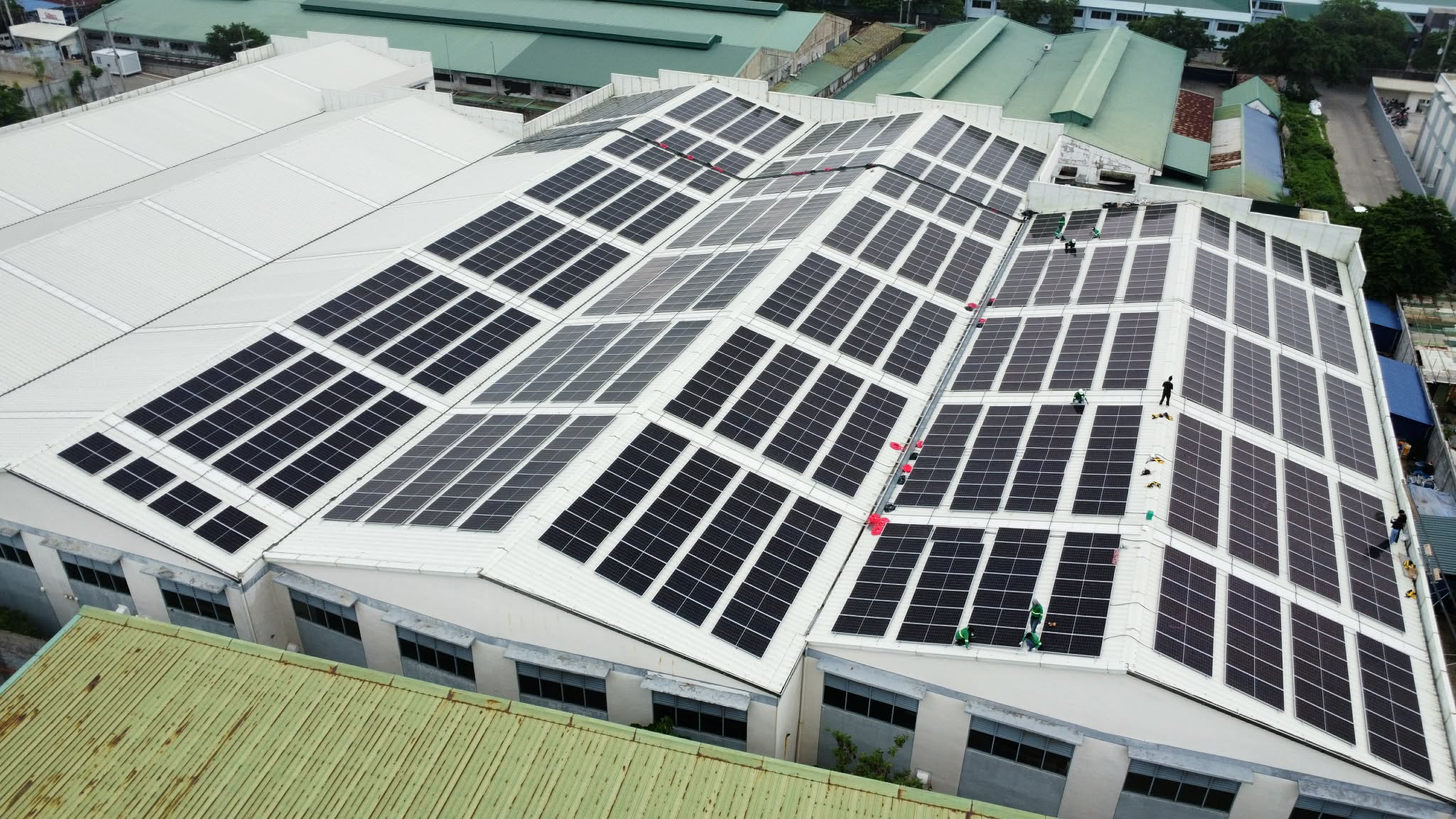
Should we own our solar system outright, or pay for the electricity it produces?
That question is at the heart of the two most common solar financing structures in the market: the EPC Contract (Engineering, Procurement, and Construction) and the PPA (Power Purchase Agreement).
 ByEcoPlus
Should we own our solar system outright, or pay for the electricity it produces?
That question is at the heart of the two most common solar financing structures in the market: the EPC Contract (Engineering, Procurement, and Construction) and the PPA (Power Purchase Agreement). Understanding the difference between the two can mean saving millions over a 25-year period — or choosing the wrong model for your business.
At Ecoplus Solar Inc., we now offer both. And through our strategic partnership with Sunwell Energy Corporation, our commercial and industrial clients have access to a fully managed PPA program designed specifically for large-scale facilities across the Philippines.
In this article: What Is an EPC Contract? · What Is a PPA Contract? · EPC vs PPA Side-by-Side · Why Ecoplus Solar · FAQs · Get a Free Assessment
EPC stands for Engineering, Procurement, and Construction. Under this model, Ecoplus Solar delivers the complete solar installation as a capital project — you own the system from day one. As a DOE-accredited and PCAB-licensed contractor, every installation meets the highest regulatory and technical standards in the country.

Here’s what the EPC process covers:
Ecoplus Solar holds DOE Solar PV Accreditation No. DOE-SPV-1023-0015 and PCAB License No. 60345, making us one of the few solar contractors in the Philippines fully certified to execute EPC contracts at commercial and industrial scale. Learn more about our engineering capabilities and completed projects.
A Power Purchase Agreement (PPA) means you pay for solar electricity — not the solar system. Ecoplus Solar, in partnership with Sunwell Energy Corporation, installs the solar system on your facility at no upfront cost to you. You simply purchase the electricity it generates at a fixed PPA rate — which is set lower than your current utility bill rate.

Here’s how it works in four steps:
Ecoplus Solar and Sunwell install a fully engineered solar PV system on your facility. No capital expenditure required on your end. This is the core advantage of the PPA model over traditional EPC solar procurement.
Instead of paying your local distribution utility at prevailing rates (which continue to rise across the Philippines), you purchase solar-generated electricity at your agreed PPA rate — locked in, stable, and below your current bill. Use our Solar Savings Calculator to estimate your monthly savings.
Sunwell Energy Corporation owns, operates, and maintains the system for the full contract duration — typically 15 to 25 years. Monitoring, cleaning, repairs, inverter replacement: all covered. Your facility team carries zero maintenance responsibility. This is particularly valuable for large facilities with complex rooftop solar installations.
When the contract ends, you can:
PPA contracts are available for systems 500 kW and above. For smaller commercial systems, explore our EPC contract options.
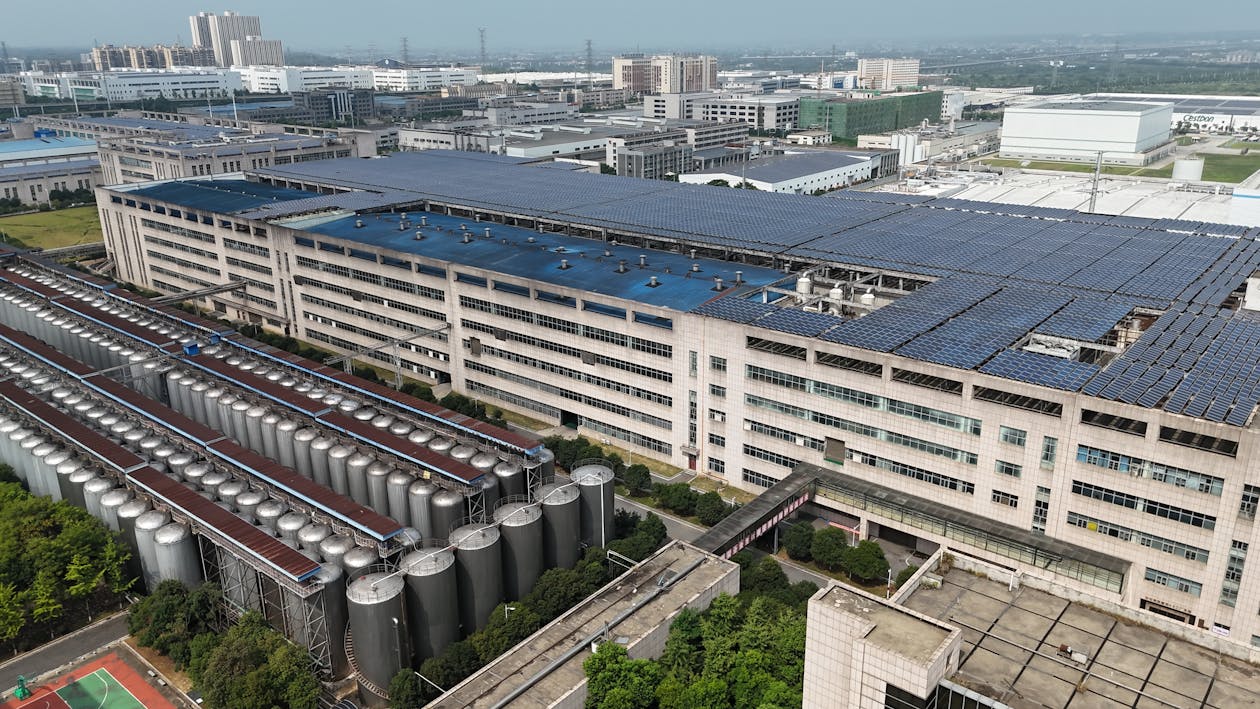
| EPC Contract | PPA Contract | |
|---|---|---|
| Upfront Cost | Capital investment required | Zero upfront cost |
| System Ownership | You own the system | Sunwell owns the system |
| Who Maintains It | Your team or service contract | Sunwell Energy Corporation |
| Billing Structure | ROI via net metering / energy savings | Pay per kWh at agreed PPA rate |
| Minimum System Size | Any size | 500 kW and above |
| Monthly Bill Threshold | ₱100,000/month+ | ₱500,000/month+ |
| Contract Duration | One-time project | 15–25 years |
| Best For | Owners maximizing long-term ROI | Businesses prioritizing zero CapEx |
| Tax Benefit | Asset depreciation (BIR) | OpEx deduction on electricity cost |
| ESG / Sustainability | Owned renewable asset on balance sheet | Green electricity sourcing (off-balance) |
| End of Term | You own it outright | Buy, extend, or remove |
Not every solar company in the Philippines can offer both EPC and PPA under one roof. Most installers only do EPC — because PPA requires a financing partner, long-term operational capability, and a deep understanding of commercial energy profiles.
Ecoplus Solar is in a different league.

We’ve installed solar across Cavite, Metro Manila, Laguna, Batangas, Rizal, Pampanga, Ilocos Sur, Leyte, and Quezon Province — serving residential, commercial, and industrial clients with systems ranging from rooftop installations to multi-megawatt commercial solar parks. As the recipient of the Huawei FusionSolar Outstanding Installer Award 2026, our technical standards are recognized at the international level.
Our services span the full renewable energy spectrum — from grid-tied solar PV and Building Integrated Photovoltaics (BIPV) to biogas facilities, EV charging stations, and complete electrical works.
Our partnership with Sunwell Energy Corporation extends that capability into the PPA space — giving large commercial and industrial clients a financially structured, zero-CapEx path to clean energy and immediate cost savings.
Whether your facility is in Dasmarinas, General Trias, Imus, or Trece Martires in Cavite, in Binan, Calamba, or Sta. Rosa in Laguna, in Lipa, Batangas City, or Sto. Tomas in Batangas, or anywhere across Metro Manila — our team can assess your facility, model your savings, and recommend the right contract structure. Check our FAQ page for common questions or use our Savings Calculator for a quick estimate.
An EPC contract means you invest capital to own the solar system outright after Ecoplus Solar builds it. A PPA contract means Sunwell Energy Corporation installs the system at no cost to you, and you pay only for the electricity it generates at a rate lower than your utility bill. EPC maximizes long-term ROI through asset ownership; PPA maximizes short-term cash flow through zero CapEx.
PPA contracts through Ecoplus Solar and Sunwell Energy Corporation are available for systems 500 kW and above, making them best suited for large warehouses, manufacturing facilities, industrial parks, and commercial complexes.
If your business spends ₱100,000 or more per month on electricity, you are a strong candidate for an EPC solar installation with a clear ROI. If your monthly electricity bill is ₱500,000 or more, a PPA may be even more advantageous — delivering immediate savings with no capital required. Use our Savings Calculator to model your specific case.
Yes. As a DOE-accredited solar installer (DOE-SPV-1023-0015), Ecoplus Solar manages all permitting, filing, and net metering applications with your local distribution utility — Meralco, VECO, CLPC, and others — as part of the EPC contract.
At the end of your PPA term (typically 15–25 years), you have three options: purchase the system at fair market value, extend the PPA for another term, or have the system removed from your facility at no cost. Have more questions? Visit our FAQ page or contact our team.

If your business consumes more than ₱100,000/month in electricity, you are likely a strong candidate for an EPC system. If your monthly bill reaches ₱500,000 or more, a PPA arrangement may deliver even greater value — with zero capital required.
Our team will assess your bills, evaluate your facility, and present a clear financial comparison of both options — at no cost and no obligation. Learn more about how solar energy works, or request a free ocular visit today.
Ecoplus Solar Inc. is a DOE-accredited, PCAB-licensed solar energy company based in Cavite, providing end-to-end EPC and PPA solar solutions for commercial and industrial clients across the Philippines. In partnership with Sunwell Energy Corporation, we now offer Power Purchase Agreements for facilities with demand of 500 kW and above.
Related reading: 5 Important Things to Know About Solar Panels · Solar Power in the Philippines: A Guide to Long-Term Savings · Is Your Roof Ready for Solar Panels? · Solar Now Available Through BDO Installment